
Make the first arrival easy to execute
Confirm the accommodation’s real address, entrance, check-in deadline and after-hours contact. Save those details in Korean and offline. Plan the last segment from the station, not just the airport train.
| Prepare | Why it helps |
|---|---|
| Working mobile data | Contact accommodation and change a route |
| Separate payment reserve | A lost wallet does not remove every option |
| Confirmed arrival instructions | Avoid searching for a locked entrance |
| Trusted contact | Someone knows your intended destination |
Do not send live location or room details publicly. Share necessary information with a trusted person.
Keep control of belongings and social situations
Do not leave a phone, passport or wallet unattended because someone says valuables are rarely stolen. Use normal precautions in crowded places and keep important documents secure.
At bars or social meetings, watch your drink, maintain a way to leave and decline situations that feel uncomfortable. You do not owe a stranger your hotel address or continued company. Women traveling alone should not be told that a favorable national reputation removes harassment or assault risks.
Plan the return before going out
Check the last public-transport service and an alternative before leaving. Use a legitimate transport service and verify the vehicle or booking information where available. Wait in a suitable public location rather than improvising a long isolated walk.
A saved route should not override a closed path, crowd-control instruction or your judgment about the immediate surroundings. Changing plans is a valid choice.
Know the emergency distinction
In Korea, call 112 for police and 119 for fire or ambulance. Give your location and immediate problem first; if language is a barrier, ask for interpretation assistance. Tourism information is useful for routine visitor questions but is not a replacement for urgent emergency help.
The Emergency Ready app guide explains another preparation tool. Do not delay an emergency call while trying to finish installing an app.
Replace a safety ranking with a personal plan
A country’s reputation does not guarantee an individual’s safety. Solo travelers can prepare without assuming danger everywhere or treating cafés and late-night streets as risk-free. Consider arrival time, accommodation access, connectivity and your own comfort with unfamiliar surroundings.
Read your government’s current travel advice and relevant local alerts. Conditions may change because of weather, demonstrations or localized incidents even when the rest of an itinerary looks routine.
If something goes wrong
Move to a safer public place when possible, contact appropriate help and preserve essential records without putting yourself at further risk. Lost payment cards should be blocked through the issuer; passport problems require the relevant authorities and embassy.
Keep your plan practical: one working connection, one usable return route and one trusted contact. These measures support independence without promising that any destination is completely safe.
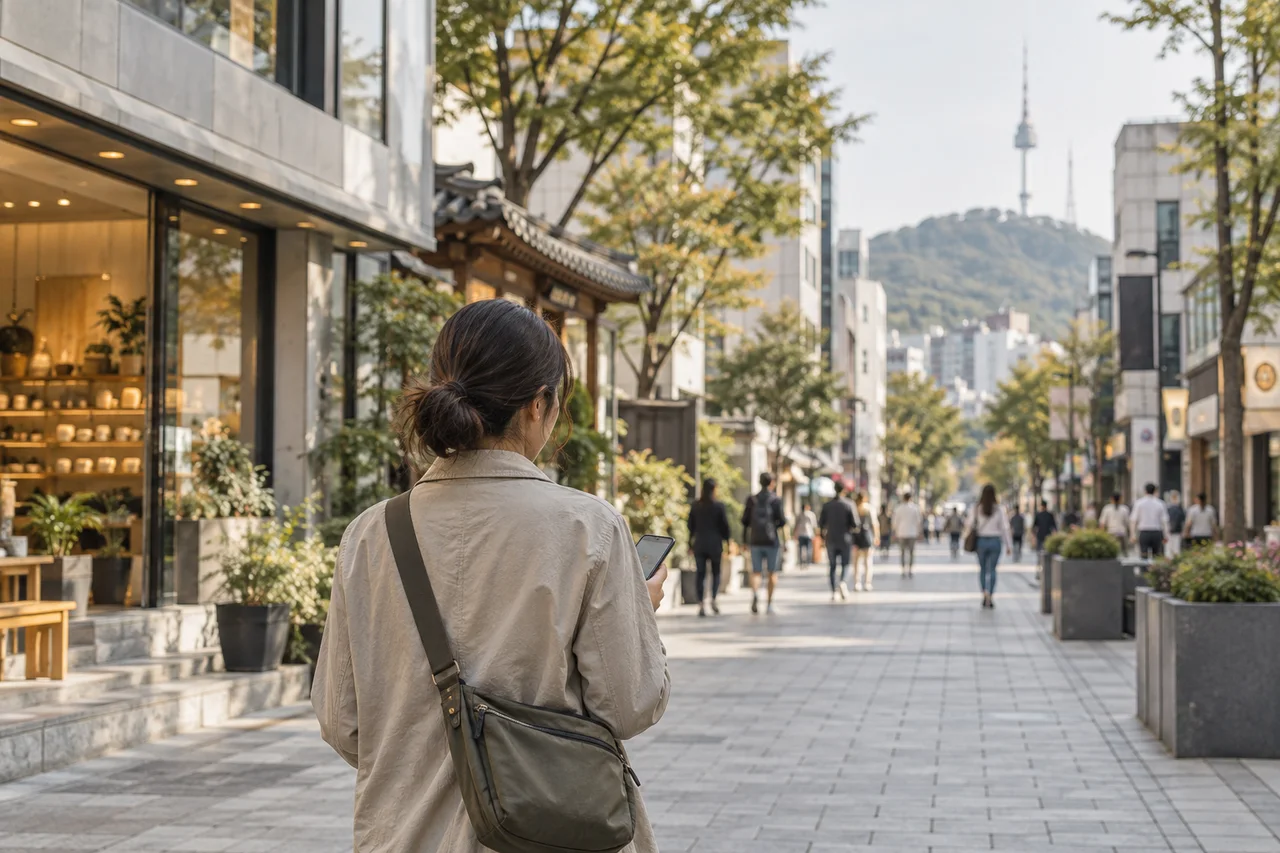
The header is an AI-generated editorial illustration, not an actual interface screenshot or an on-location report.