
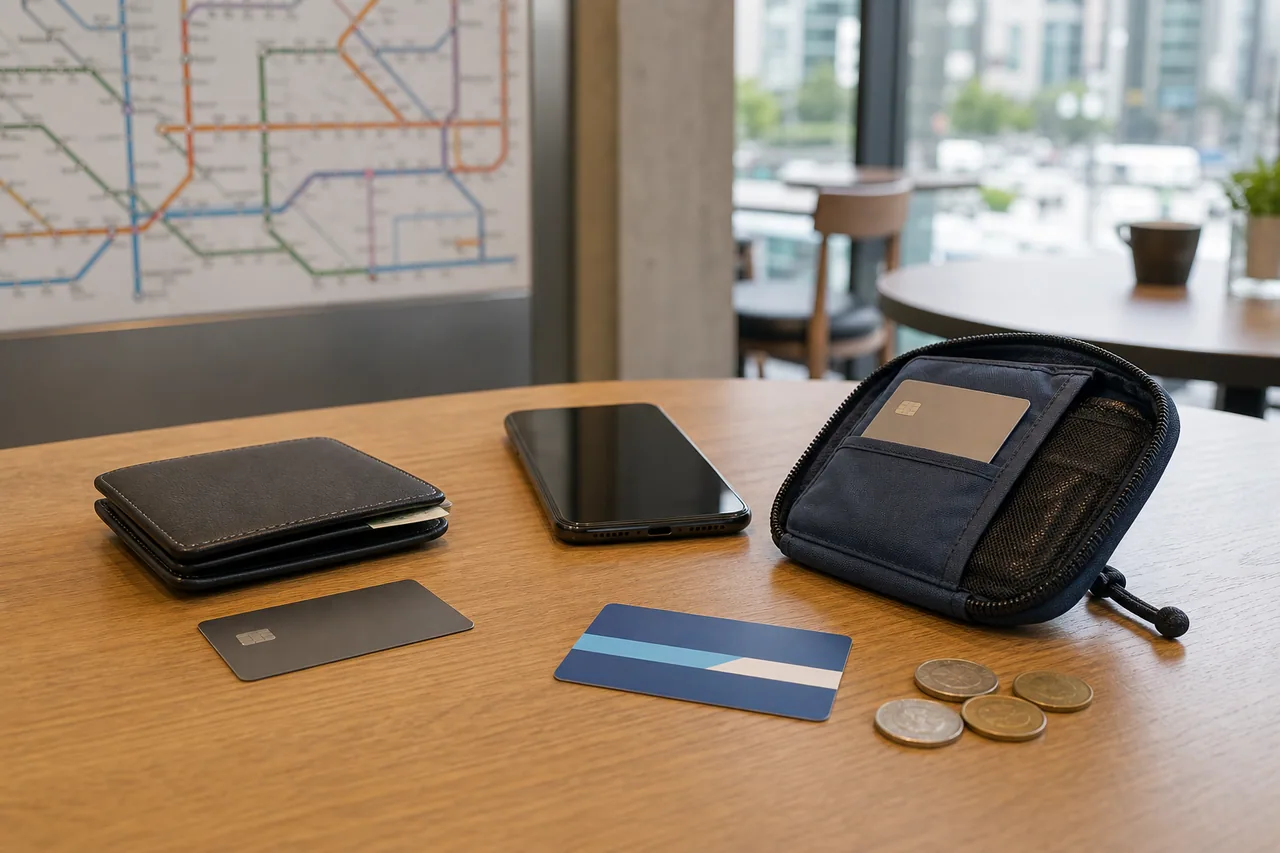
Arrival-day payment sequence
Use this order to discover problems while alternatives are nearby:
- Keep both bank cards and a small emergency reserve accessible, but in separate places.
- Obtain Korean won from a bank, authorized exchange counter or another trusted channel.
- Buy a standard transit card and load only the amount needed for the first part of the trip.
- Make a low-value purchase with the primary card at a staffed merchant.
- Confirm the charge and keep the backup card unused unless it is needed.
If the trip includes a taxi, set up the payment method in advance and read the k.ride guide. The app supports card and mobile payment, but issuer approval can still vary.
What to do when a card is declined
Do not repeat the same transaction many times without checking the cause. Confirm that the terminal is accepting the card network, then try the physical card if a phone wallet failed. If the primary card still fails, use the second issuer or pay cash when the merchant accepts it.
Check the bank’s app or message for a fraud-verification request. If there is no clear explanation, contact the issuer using the number printed on the card or its official app. Do not ask a stranger to enter banking credentials or call a number supplied in an unsolicited message.
For a ticket machine, move to a staffed counter or another official machine rather than assuming the transport service itself is unavailable. Payment channels can have different acceptance even for the same trip.
Use three payment layers, not one “best” method
Korea is highly card-friendly, but a card-friendly country is not the same as a trip where one card works in every terminal. The simplest resilient setup has three layers:
- a primary foreign-issued card for hotels, shops, restaurants and ticket purchases;
- a second physical card plus a small amount of Korean won as backup;
- a rechargeable transit card for ordinary bus and subway fares.
The Korea Tourism Organization says cards are widely accepted at hotels, department stores and general shops, while some traditional-market and street businesses can still be cash-only. Its 2026 transport matrix also separates ordinary retail-card acceptance from transit tapping: a foreign card may buy many tickets, but it does not directly replace a regular transportation card at common bus and subway readers.
Primary card: use it widely, but test it early
Visa, Mastercard, JCB, American Express, UnionPay and other networks are commonly seen, but merchant terminals and card issuers do not all support the same combinations. Before the trip, confirm that overseas use is enabled, know the card PIN if one is required, and keep access to the issuer’s fraud-verification method.
After arrival, make a small purchase at a staffed store. Confirm that it appears correctly in the issuer’s app or notification before using it for an expensive booking. A successful hotel preauthorization does not prove every unattended ticket machine will accept the same card.
Do not store the only usable card inside a phone case. If the phone is lost, that can remove the map, banking verification and payment method at the same time.
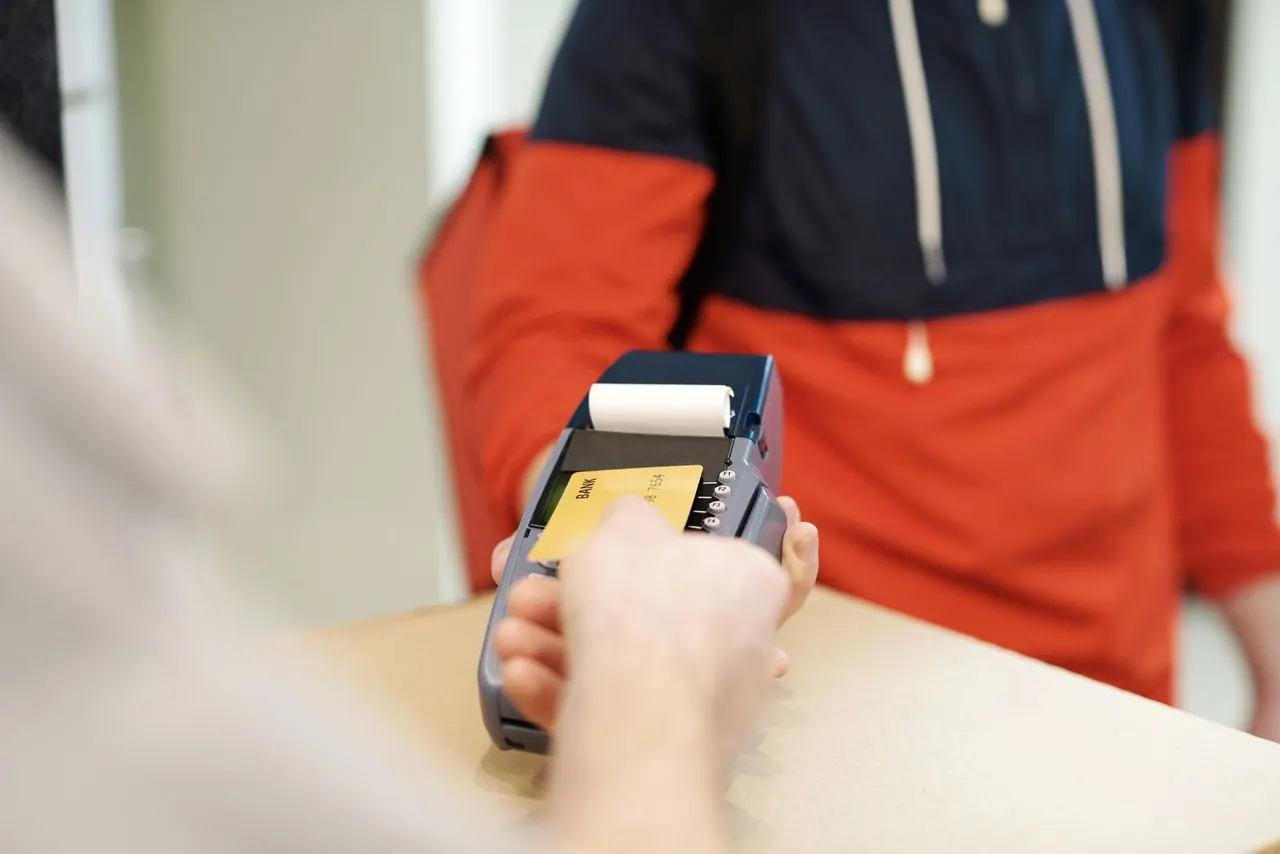
Backup card: separate issuer or network is more useful
A second card adds the most resilience when it is not an exact copy of the first. Different card networks or issuers can fail for different reasons, and one issuer may block a transaction that another approves. Store the cards separately so a lost wallet does not remove both.
The backup card should be ready to use, not merely present. Verify its overseas setting, expiry date and PIN before departure. If your bank requires an app confirmation, make sure the app still works with the SIM or eSIM arrangement planned for Korea.
A phone wallet can be convenient where supported, but treat it as an additional route rather than the only backup. Contactless acceptance and wallet compatibility depend on the merchant terminal and card issuer.
Cash: keep a small operational reserve
KTO advises carrying petty cash because some traditional markets and street shops may accept cash only. Cash is also useful when loading a regular prepaid transit card: the current KTO visitor transport matrix states that foreign-issued cards are not accepted for Tmoney purchase or top-up and identifies cash as the ordinary method.
You do not need to carry the whole trip budget in cash. Keep enough for an arrival transfer, a meal and a few transit-card top-ups, then adjust after seeing the actual itinerary. Split it between a daily wallet and a separate reserve.
For currency exchange, KTO recommends banks or authorized exchange service centers. Check current hours before visiting and keep the exchange receipt until you have verified the amount.
Transit card: keep transport money separate
Tmoney and EZL are rechargeable prepaid cards sold at convenience stores and transport locations. They work across public transport and can provide transfer discounts. A standard card is often easier than buying a single-use ticket for every ride.
The important distinction is between buying a ticket with a foreign card and tapping a foreign card at a bus or subway reader. KTO’s May 2026 matrix lists foreign-card support at many rail and ticket-machine channels, but ordinary bus and subway tapping uses a regular transportation card. It also lists Tmoney purchase and top-up as cash-only for international visitors.
Load a practical amount rather than a large unused balance. Refund locations and thresholds vary by card and amount, so review the current official card page before departure. For a simple first trip, spending down the balance is often easier than planning around a special refund location.
Optional prepaid products are not mandatory
Visitor-focused prepaid products can combine exchange, shopping and transit features. They may be useful for a traveler who wants spending separation or whose normal cards are unreliable, but they also introduce purchase fees, loading rules, balance limits and refund conditions.
Choose one only after comparing the current official terms with the simple three-layer plan. Do not load the full travel budget before confirming that the card works at the places in your itinerary. This guide is independent and does not receive payment from a card provider.
The broader Korea travel app checklist covers maps, taxis, safety alerts and official planning tools that should be tested alongside payment access.
Before leaving Korea
Check the remaining transit and prepaid balances early enough to use or refund them. Current refund rules depend on the card, amount and location; do not rely on an old blog post or assume that every convenience store handles every amount.
Keep one working card and enough cash for the airport journey until transport and baggage are complete. Avoid spending the last transit balance before the final bus or rail connection. After departure, review card transactions and report anything unfamiliar through the issuer’s official channel.
Compact payment checklist
- Overseas use, expiry date, PIN and verification method checked for two cards
- Cards stored separately
- Small Korean-won reserve, not the full trip budget
- Regular transit card funded independently
- Primary card tested with a low-value purchase
- Official refund rules checked before the final day
- Bank and card-provider contact details available offline
The goal is not to predict every terminal. It is to make one failure routine: if the primary card stops, a separate card, cash reserve and transit balance keep the trip moving.